What’s the Point of Relabelling Ideas Like ‘Solution-Focused’?
I’ve been around the social enterprise and charity world long enough to notice certain patterns. One of them is this: ideas rarely stay still. They get adapted, renamed, reframed, and sometimes entirely rebranded.
Just the other day, I was talking with a partner who mentioned that some coaches were now taking a strengths-based approach. I had to smile. Isn’t that what coaching has always been, at its core?
It got me thinking about how often we take a perfectly good idea, give it a new label, and send it back out into the world. Sometimes that’s useful. Sometimes it’s confusing. And sometimes it’s just marketing.
Take Solution-Focused Practice. Born in the world of therapy, it’s all about building on what’s already working, rather than fixing what’s broken. Over time, it’s made its way into coaching, leadership, youth work, and community development. But these days, you might also hear it called resource-oriented, future-focused, strengths-based, or simply what works.
This kind of relabelling is everywhere in our sector. The question is: why do we do it, and what happens when we do?
When relabelling helps
Done with care, changing the name of an approach can make it more useful and inclusive:
Adapting to new settings.
Trauma-Informed Practice might become Healing-Centred Engagement in community contexts, weaving in cultural identity, collective healing, and resilience.
- Making language more accessible.
Theory of Change can sound technical and abstract. In grassroots projects, reframing it as an impact journey or learning story can draw people in. - Highlighting values.
Participatory Budgeting can become People’s Spending Plans, reflecting shared power in plain language. - Bringing sectors together.
Community Wealth Building has become a rallying cry for councils, anchor institutions, and social enterprises, but it builds on decades-old ideas of economic justice. - Keeping concepts alive.
Social value is now common language in commissioning, but its roots lie in older ideas like triple bottom line and sustainable development.
When relabelling causes problems
But relabelling isn’t always helpful. Sometimes it muddies the water.
- Losing clarity.
Co-production, co-design, and collaboration are often used as if they mean the same thing, but they imply very different levels of power-sharing. - Diluting meaning.
Systems change once meant tackling root causes. Now it’s sometimes used for anything from partnership meetings to small tweaks in process. - Erasing origins.
Terms like intersectionality and regeneration have deep histories. Stripping them of their context risks losing the insight and lived experience they came from. - Repackaging the familiar.
Some “new” ideas: impact-led, values-based, human-centred are really just old practices with a new coat of paint.
So what’s the point?
Relabelling can be a bridge, helping ideas travel and connect with new audiences.
It can also be a barrier, making things less clear, erasing their origins, or watering down the very essence that made them valuable.
Language will always evolve. It should. And we can be intentional about the choices we make.
Before we adopt the latest label, it’s worth asking:
- Where did this idea come from?
- What’s actually new, and what’s just repackaged?
- Are we honouring the origins and the evidence?
- Who gets included and who gets lost through our choice of words?
Naming things is powerful. Let’s do it with care, and with curiosity.
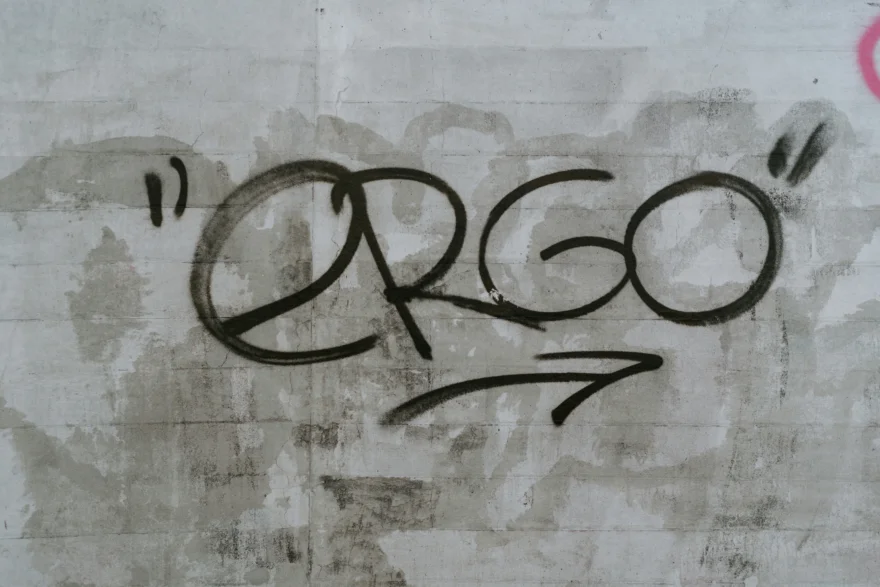
(image from Claudio Schwarz on Unsplash)